

BY EMILY NIXON
In a historic night of firsts for the nation, the Democratic Party has won control of the United States Senate and the House of Representatives, flipping at least seven Senate seats that were previously Republican on Nov. 3.
“It seems that this is a turning point where we’re shifting away from the Trumpism and MAGAism that our society has been mired in for the last ten years,” said Ethan Weisberger, a Brooklyn College (BC) student and treasurer of the BC Sociology Club. “Hopefully, we can leave this in our back mirror, and not look back too hard, learn some lessons.”
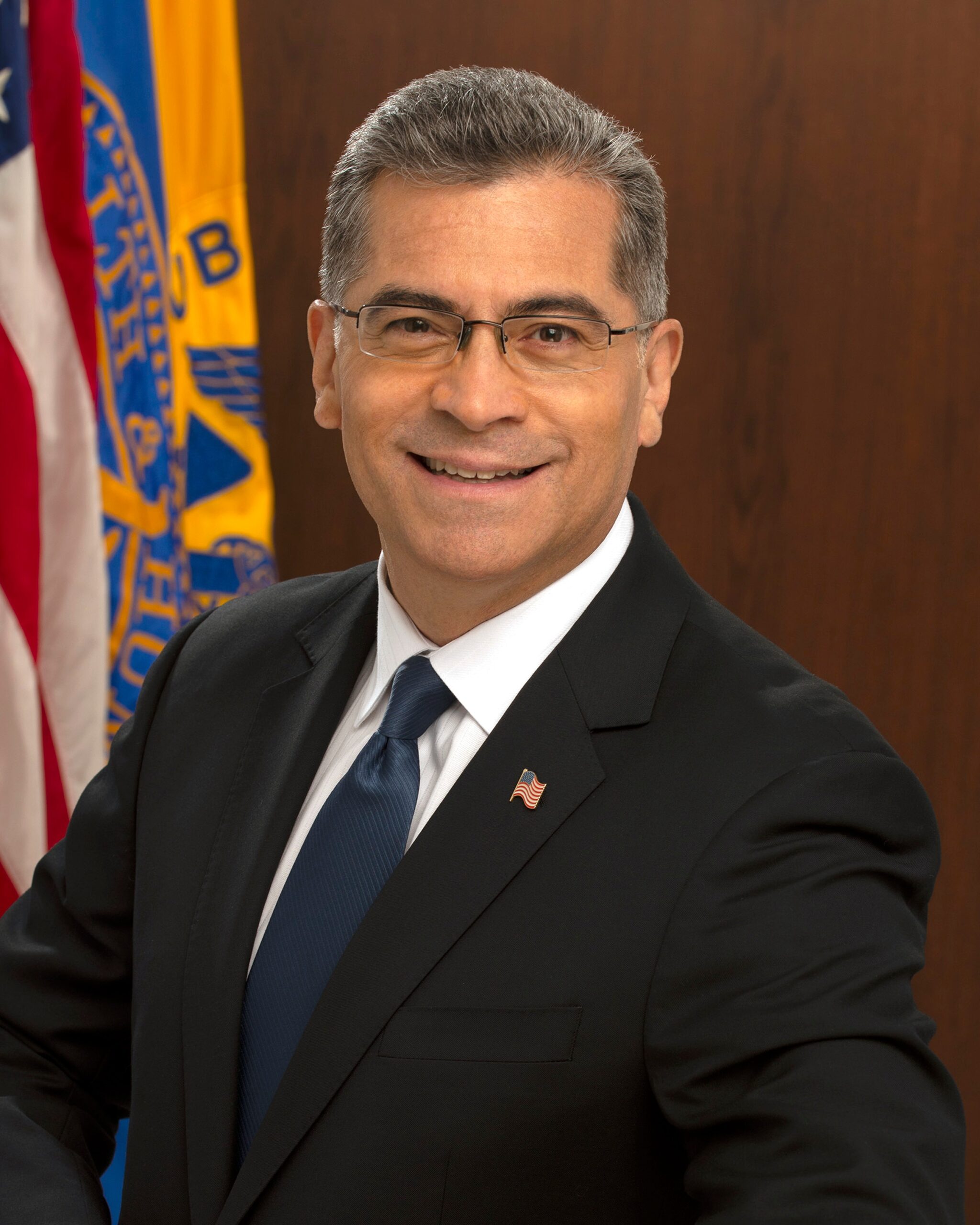
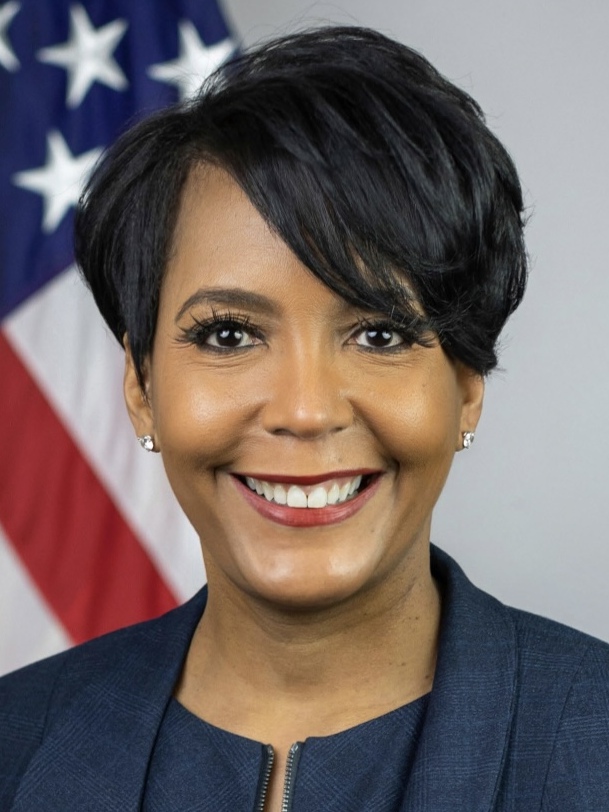
Diverse candidates won seats in the Senate and House and as governors and state legislators. In Georgia, Keisha Lance Bottoms (D) won the governor’s seat, the first black woman to ever sit in the role. In New Hampshire, Chris Pappas (D) won the Senate seat and became the first openly gay man to be elected in U.S. history. Xavier Becerra was elected governor in California, the first elected latino for the role, according to The LA Times.
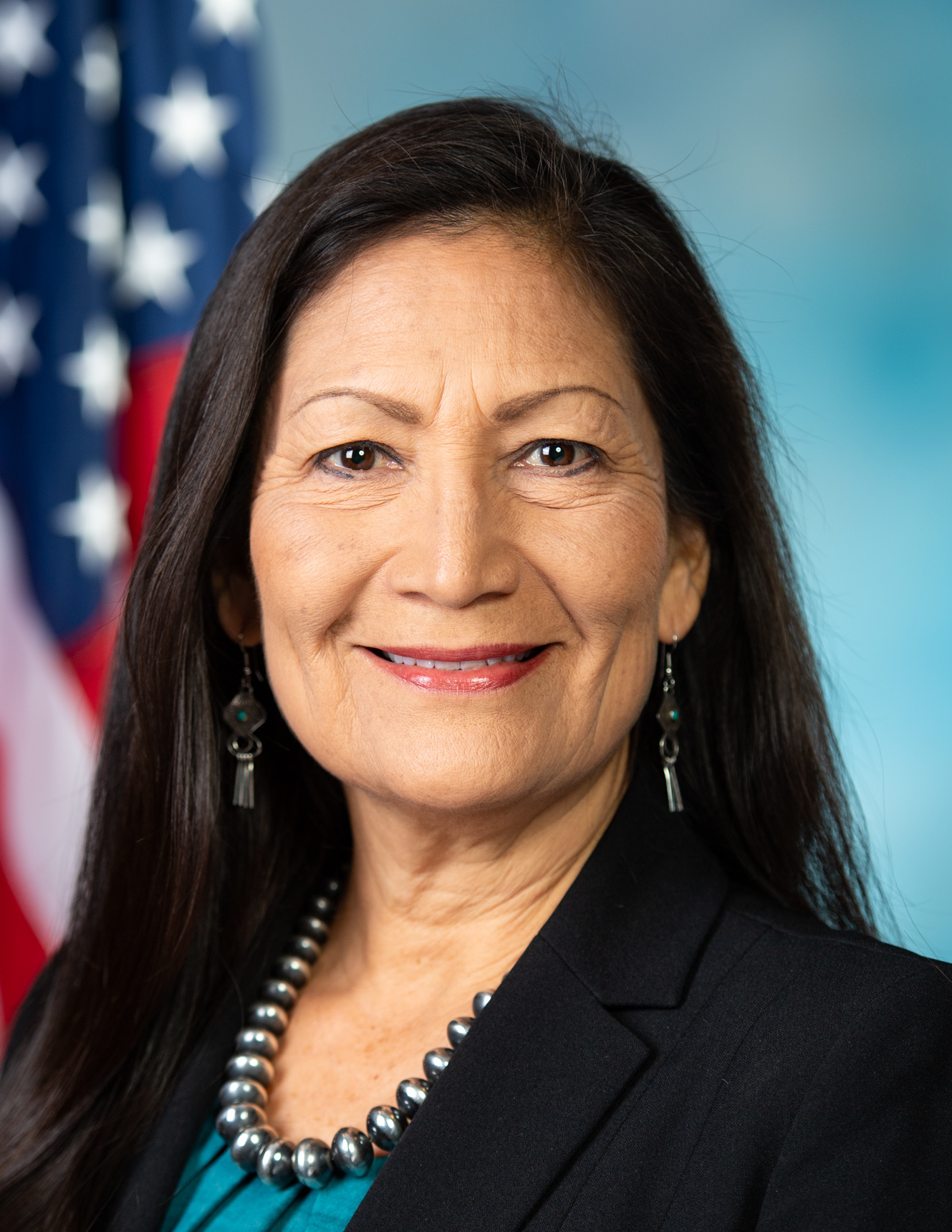
New Mexico elected Deb Haaland, the first Native American woman governor in U.S. history. Michigan elected Abdul El-Sayed, the first muslin senator in U.S. history. In Texas, Gina Hinojosa was elected as the state’s first Latina governor, and the first democrat to fill the position in 30 years, according to NBC.

Some BC students, including Ronique Prince-Adams, feel that the Democrats’ win was a direct result of mismanagement by the Republican Party.
“‘If you poke the bear long enough, it’s gonna bite you in the ass,’ and I feel like that’s what we saw, especially with young voters,” said Prince-Adams.
Weisberger, a BC senior, thought the win was due to candidates changing how they campaigned: on their policies, rather than party.
“Having policies means that you’re actually running for change, rather than running to keep the status quo, and I think that’s really powerful,” said Weisberger. “If those policies are able to be implemented, then I think we’re gonna be headed in the right direction.”

Weisberger used Democrat James Talarico’s win as Texas Senator to prove a theory he’s held for a long time: Running on policies rather than running on a name is a “sure-fire” way to win. What politics “should really be about” is helping people, he added.
“I think Texas really stuck out to me as the real proof in the pudding of what I’m trying to say, where Talarico was able to win a state which nobody thought was winnable for a very long time because he did not run against Trump, but he ran for his own people,” said Weisbeger. “He ran for Texas.”
BC Psychology and Gender Studies student Rooney Axelrod found the results encouraging, saying that divisive rhetoric isn’t as effective with American voters as in previous elections.
“A lot of Republicans were running on these like DEI sort of lines that are really demonizing trans people, queer people, and lots of other people as well, and that sort of flavor of identity politics did not work,” said Axelrod. “And, I think that’s a really good thing because it means that that target is less useful for them.”
Axelrod found that some states’ ballot measures were especially divisive. “There were a bunch of ballot measures in different states across the nation that did target trans people that did pass,” said Axelrod. This was a point of disappointment for Axelrod, despite their enthusiasm for the success of diverse candidates.
Ballot measures passed in Arizona, Washington State, Colorado, and Nebraska will restrict transgender athletes from participating in school sports teams that align with their gender identity, according to reporting by Politco.
Arizona’s measure will also affect a transgender student’s access to bathrooms, locker rooms, and changing areas in public schools. In Nebraska, the ballot measure passed will amend to state’s constitution to limit students assigned male at birth from participating in “sports designated for girls and women,” according to Politco.
David Ceballos, a junior film major, found the future race for President to be unclear, as “neither the Republican Party nor the Democratic Party” had a clear future candidate to represent either group.
The diversity of the incumbent politicians was heartening to some voters, including Joseph Scarpetta, a college assistant working at the LGBTQ+ Resource Center at BC.
“It’s so incredible that despite our administration and the 119th Congress being so anti-diversity, and being so anti-inclusion and [anti-] diversity efforts,” Scarpetta said, “that America has reacted to that in such an immense, intense way, that now Democrats have almost 260 seats in the House.”

CAPTION: (Texas) Gina Hinojosa is the first Latina to be elected as governor in Texas’ history. Photo Courtesy of the LBJ Library from Austin via Wikimedia Commons.
LBJ Library photo by Jay Godwin
02/16/2017