
BY: NICHOLAS GUMBS
New York City lawmakers questioned environmental officials Wednesday, September 30, over whether the city needs a new agency to oversee coastal protection as billions of dollars in flood defenses move from planning into construction. The hearing came just days after a major coastal storm tested the city’s response to flooding in vulnerable waterfront communities.
A powerful Nor’easter brought high winds, heavy rain and coastal flooding to New York City over the weekend, hitting low-lying communities in Brooklyn, Queens and Staten Island, with flooding and widespread tree damage. The Department of Environmental Protection (DEP), working with New York City Emergency Management and the Parks Department, pumped water from flooded areas after tides receded and deployed crews to help clear downed trees.
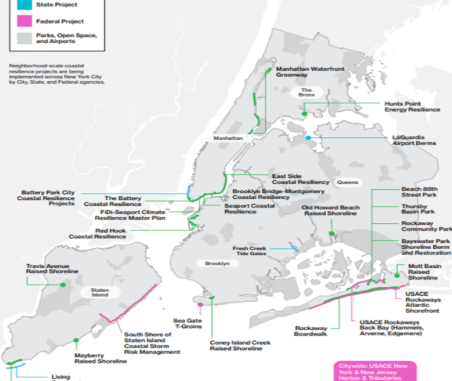
With the storm’s impact still fresh, much of the Committee on Environmental Protection and Waterfronts hearing centered on protecting the city’s roughly 520 miles of shoreline. According to the DEP, Mamdani’s administration made a commitment to invest $43.2 million to help the Bureau of Coastal Resilience (BCR) in expanding from six employees to about 75 and developing a comprehensive citywide coastal resilience plan.
Committee Chair James F. Gennaro pressed officials on whether New York needs a single authority responsible for coordinating coastal protection. “I envision the bureau… having like the grand vision,” Gennaro said, describing his concept as the “Oz of coastal resilience.” The BCR explained that its focus is not to plan new coastal resilience projects, but fulfilling the ongoing operations that continue to protect New Yorkers.
Gennaro’s Introduction 936 would establish a Department of Coastal Protection responsible for developing policies and programs, administering funds, reporting on coastal needs, educating the public and coordinating with other government entities.
DEP Deputy Commissioner for Public Affairs Beth DeFalco urged flexibility as the relatively new BCR begins operating major infrastructure. “It’s one thing theoretically…about operating floodgates; it’s another thing to operate floodgates,” DeFalco said, adding that DEP is “learning a lot as these things come online.”
BCR Assistant Commissioner of Engineering Kathryn Prybylski said, centralized planning is already part of the bureau’s mission. “One planning entity to carry the ball – yes, that is the goal for the bureau,” she said. Prybylski said the Resilient Infrastructure for Shoreline Edges initiative, or RISE, is expected to be completed by the end of the year and will provide building blocks for a broader coastal resilience plan.
The committee also considered Introduction 931, which would require DEP to maintain at least two mobile drinking fountains per Council district and deploy them at publicly accessible locations when temperatures are forecast to reach at least 82 degrees, prioritizing neighborhoods that are highly vulnerable to heat. DEP raised concerns about cost and staffing, with DeFalco saying the proposal could require more than 100 workers because two employees would be needed at each station.
Under Introduction 343, certain street crane permit fees for rooftop solar installations would be waived. Buildings officials testified that solar filings declined from about 9,400 in 2024 to 8,500 in 2025 and about 3,300 so far in 2026, as lawmakers examined whether reducing permitting costs could remove a financial barrier to expanding solar installations.