
BY PAOLA SACERDOTE
Flower vendors have increased their bouquet prices in response to President Donald Trump’s tariffs, as agriculture tariffs have affected imported flowers by some 10 percent, according to a recent report by CNN News.
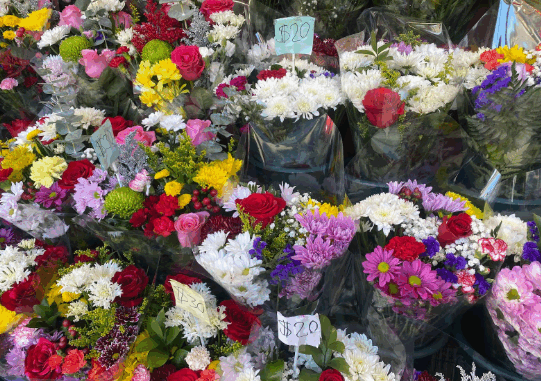
“A bouquet of 15 dollars with carnations and four roses has increased to 20 dollars with two roses and more carnations,” said a local customer in the Bronx, Gina Rossi.
Vendors, in turn, expressed frustration with customers who complain about the increases. “Many customers don’t understand and complain about the increase on the bouquets, and we explain to them that it’s becoming expensive for us to get the flowers available for them,” said vendor Jose Mirelba. Florists are not profiting from tariffs.”
Countries such as Colombia, Ecuador, Mexico, and the Netherlands are the largest exporters of flowers and floral material such as vase, foams, plastic flowers, etc. to the United States. According to a 2005 American University report, 85 percent of the flowers sold in the U.S are Imported from these countries.
Ecuador is the dominant exporter of cut flowers throughout the world. It sells the most roses, carnations, and lilies, to most countries, with the U.S. as their top buyer.
After Trump’s tariffs on agricultural goods affected the flower industry, prices are increasing and are affecting customers’ pockets and causing doubts to purchase flowers depending on the occasion.
Flower costs have varied wildly through the year, typically price changes based on season and vendor. As of this year common flowers such as Carnations are 2-3 dollars per stem, a dollar increase then last year. Orchids start at 20 dollars a bunch, Baby’s Breath at 15 dollars a bunch. Red Roses could vary from 40 dollars a bouquet or more, other colored roses prices are much higher.
“Bulk purchases for events like ceremonies and weddings could range from 100 dollars to thousands, customers look for alternatives to achieve their ideal flower arrangements because 500 roses could cost an eye,” said floral designer Jessica Montez.
Tariffs increase on imported flowers began in May before Mother’s Day. These tariffs significantly impacted South American imports, raising prices on carnations, tulips, roses, plants, and even supplies like foam and vases.
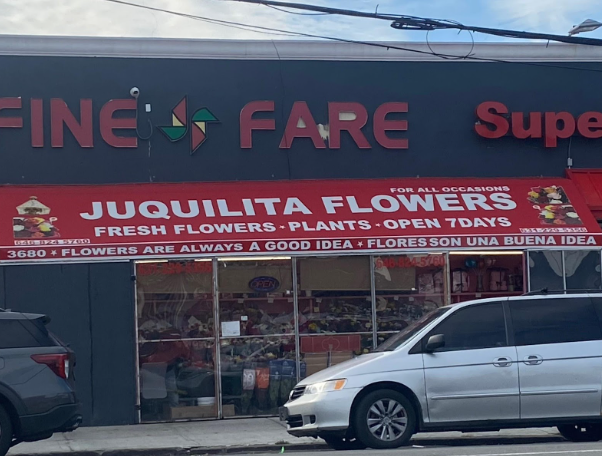
For corner flower shops such as Juquilita Flowers, tariffs prices have had an effect on their customer count. The flower shop, located near Saint Raymond’s Cemetery in the Bronx, mainly sells to customers who purchase for lost loved ones,. The flower shop has been open for over a decade and they are committed to keeping the store open.
“Before the tariffs increase we sold mixed cardinal bunches for 7 and 10 dollars, we purchased our flowers from Ecuador and the prices have increased for us and we try to keep the prices as low to keep the store open,” said vendor Juan Lucas.
Most flowers are grown in countries with ideal cultivating conditions and low labor costs, Before tariffs increased in May, purchasing flowers grown locally could cost almost double the price of imported flowers due to labor and operation cost.
“Local flowers are more fresh and better for the economy but more out of reach, most flowers found in local stores are imported and cheaper, and with the rush of the city life it will be difficult to search for local grown flowers,” said customer Carolina Mendez.
“Every week I come to Juquilita because they are usually more affordable than bigger flower shops. I always purchased the same flowers for 15 dollars, but now the same flowers cost me 23 dollars after taxes,” said local customer Andrea Vincent.
The flower shop has replenished merchandise less often this month and it’s concerning for the shop’s revenue.
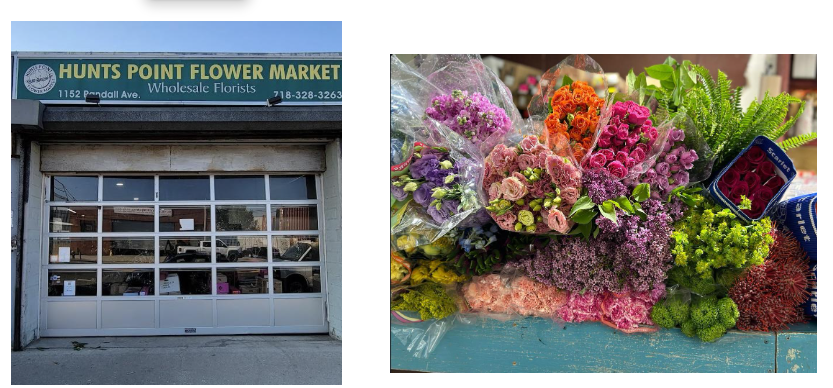
Hunts Point flower market is the wholesale outlet hub for many flower shops throughout the Bronx. The market was opened in 1967, and later relocated to the flower district on 28th street in Manhattan.
“Our flowers are imported from South America and many Bronx flower shop owners purchase their flowers here. They ask for discounts or payment plans as the cost of flowers increase,” said florist Ramon Diaz.
Florists worry that tariffs will increased further, but for now they’re hoping the tariff will stop at 10 percent or get reduced.